Cherry Fruit Redwork Embroidery Review
As an embroidery designer who has spent countless weekends behind a craft fair table, I have learned that not every design translates into a sale. Some designs are beautiful on screen but vanish in person, while others become instant bestsellers because they hit the right emotional note with buyers. Today, I am reviewing Cherry Fruit Redwork Embroidery, a digital embroidery file that promises to bring a touch of classic charm to various handmade products. My goal is to evaluate this design not just as art, but as a viable craft fair product for Etsy sellers and boutique makers.
First Impressions: The Power of Simplicity
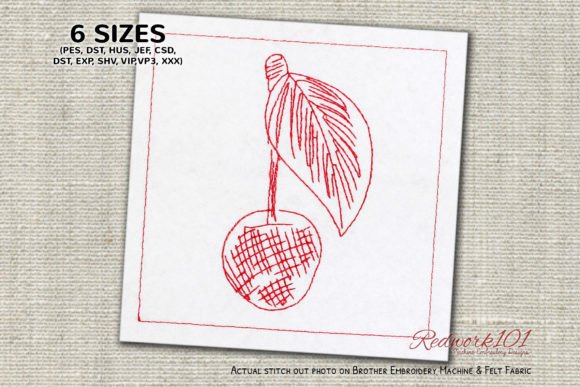
The first thing that strikes me about Cherry Fruit Redwork Embroidery is its timeless appeal. Redwork is a traditional style that relies on single-color stitching, usually red, on white or light fabric. This specific design captures the essence of farmhouse and rustic aesthetics without feeling dated. It feels bold yet minimal, making it incredibly versatile. For a busy craft fair booth, clarity is key. Customers walking past your table need to understand what they are looking at within three seconds. This cherry motif delivers that immediate recognition. It is cute, decorative, and undeniably cheerful, fitting perfectly into the Food category of home decor and kitchen textiles.
Because the design is described as having an optional Box Stitch, it offers flexibility. You can choose a clean, floating look for modern items or add the border for a more framed, traditional appearance. This adaptability is crucial for small shop products where you might want to offer variations without buying entirely new design assets.
Product Applications and Market Fit
When planning my inventory for a weekend market, I always ask: where does this design shine? Cherry Fruit Redwork Embroidery is exceptionally well-suited for kitchen textiles. Tea towel embroidery is a massive seller because towels are affordable impulse buys. The high contrast of red thread on white linen or cotton makes the cherries pop, creating a visual anchor that draws the eye. Beyond towels, this machine embroidery design works beautifully on apron embroidery projects. An apron with a central cherry motif feels personal and handmade, elevating a basic garment into a cherished gift item.
I also see strong potential for this design on tote bags. A simple canvas tote with a large-scale cherry design becomes a stylish everyday accessory. It transforms a plain bag into a statement piece. For smaller applications, consider embroidered patches. These are low-risk, high-margin items that allow customers to test your brand before committing to larger purchases. The design’s simplicity ensures it remains clear even when scaled down for a patch or a small pouch.
For those selling digital embroidery files, this design is a strong addition to any catalog. It appeals to hobbyists who love quick, satisfying projects. However, if you are selling finished products, focus on items where the texture of the fabric enhances the stitch work. Pillow covers and wall art featuring this motif can command higher price points, especially if framed or presented as part of a curated home decor set.
Production Practicality and Batch Efficiency
From a production standpoint, efficiency is everything. Redwork designs are generally faster to stitch than full-coverage satin or fill designs. This means lower thread usage and less machine time per unit, which directly improves your profit margin. When preparing for a craft fair, being able to batch produce items quickly is essential. Cherry Fruit Redwork Embroidery appears to have open spaces and clean lines, suggesting it will run smoothly without excessive jump stitches or trims.
However, practical selling points go beyond speed. How does it photograph? High-contrast designs like this perform exceptionally well in online listings for Etsy sellers. The red stands out against white backgrounds, making thumbnail images crisp and clickable. This visual appeal translates to buyer engagement, both online and in person. A booth display filled with consistent red-and-white themed items creates a cohesive brand identity that looks professional and inviting.
Critical Technical Considerations
While the design is promising, there are careful-use notes every embroidery business owner should consider. First, check the stitch density. Although redwork is typically lighter, ensure the design does not have overly dense areas that could cause puckering on lightweight fabrics like voile or thin cotton. Always use the right stabilizer. For tea towels, a cut-away stabilizer might be overkill; a tear-away often suffices, but testing is mandatory.
Fabric texture plays a significant role. Thick fabric or textured towels can sometimes obscure fine details. If the cherry stems or leaves are very thin, they may get lost in a waffle-weave towel. I recommend testing the design on scrap fabric that matches your intended product material. Check thread contrast carefully. While red on white is classic, consider how it looks on cream, beige, or pastel backgrounds. The color of the outline and fill must remain distinct from the base fabric to maintain clarity.
Curved surfaces, such as caps, present another challenge. Ensure the hoop size is appropriate for the curve of the cap front. If the design is too wide, it may distort. Similarly, avoid placing the design too close to seams or edges where the hoop cannot grip properly. For dark fabric, this design would require significant adjustment, likely needing a white underlay or a complete color change, which may alter the intended redwork aesthetic.
Designer Notes for Commercial Success
Before launching Cherry Fruit Redwork Embroidery as a commercial embroidery product, take these steps. First, confirm commercial licensing. Not all digital embroidery files allow for the sale of finished physical goods. Read the terms provided by the designer carefully. Next, create at least one real mockup. Do not rely solely on digital simulations. Stitch the design on your actual product materials to verify spacing and scale.
Compare fabric colors side-by-side. A bright red thread may look vibrant on pure white but muddy on off-white. Adjust your thread colors accordingly to maintain the premium feel of your handmade product. Finally, think about your booth display strength. Grouping items with this design together creates a visual theme that attracts attention. Whether it is a stack of napkins, a row of tote bags, or a display of patches, consistency sells.
In conclusion, Cherry Fruit Redwork Embroidery is a strong contender for any embroidery designer’s portfolio. It balances aesthetic appeal with production efficiency, making it ideal for craft fair products and online sales. By paying attention to fabric choice, stabilizer selection, and presentation, you can turn this simple design into a profitable staple of your small shop product line. Remember, the best designs are those that make the customer smile instantly—and these cherries do just that.