Dancing Skeleton Embroidery: A Designer’s Review
As an embroidery designer who spends countless hours digitizing and testing files for boutique apparel, I approach every new machine embroidery design with a critical eye. It is not just about whether the image looks cute on a screen; it is about how those stitches translate onto fabric, how they hold up after washing, and whether they elevate the perceived value of a finished product. Recently, I came across the Dancing Skeleton Embroidery on Creative Fabrica, and it immediately caught my attention for its potential in seasonal collections.
This review explores how this specific design performs when applied to real-world projects, from cozy sweatshirts to trendy tote bags. If you are an Etsy seller, a small clothing brand owner, or a creative entrepreneur looking to expand your custom apparel lineup, understanding the nuances of this file is essential before you hit the production button.
Visual Personality and Stitching Mood
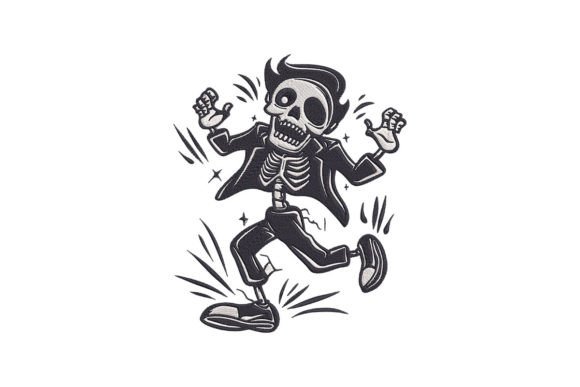
The first impression of the Dancing Skeleton Embroidery is one of playful energy. Unlike traditional spooky motifs that can feel aggressive or overly dark, this design leans into a whimsical, lively aesthetic. The skeleton appears to be in motion, which adds a dynamic quality that works exceptionally well for lifestyle product photos and social media graphics. For a boutique brand, this kind of visual personality helps differentiate your items from mass-produced Halloween merchandise.
The detail level strikes a balance between decorative strength and stitch efficiency. It feels premium yet accessible, suitable for both casual wear and slightly more elevated handmade products. Whether you are aiming for a bold statement piece or a subtle accent, the design’s structure allows for versatility. It does not scream "cheap novelty"; instead, it offers a trendy, classic vibe that can transcend the immediate holiday season if styled correctly.
Performance on Sweatshirts and Hoodies
When planning a small sweatshirt or hoodie collection, placement is everything. I tested the concept of this design on neutral sweatshirts and pastel hoodies. On a dark garment, such as charcoal or black fleece, the thread colors need to pop. White or neon threads against dark fabric create high contrast, making the dancing figure stand out sharply. However, on pastel hoodies, you might opt for tonal stitching or metallic threads to keep the look soft and feminine.
For sweatshirt embroidery, the chest placement is standard, but do not overlook sleeve accents. A smaller version of the skeleton on the cuff or upper sleeve can add a unique touch that encourages buyers to choose your small shop product over competitors. Back designs are also viable, provided the hoop size of your machine accommodates the scale. Always remember that fleece and ribbed fabrics behave differently than cotton. The stretch in these materials requires careful attention to stabilizer choice to prevent puckering or distortion of the skeleton’s limbs.
Versatility Across Apparel and Accessories
Beyond hoodies, this embroidery file shines on t-shirts and denim jackets. Denim provides a stable surface that handles dense stitching well, allowing the design to maintain its shape without sinking into the fabric. For t-shirts, which are thinner and more prone to stretching, you must ensure the stitch density is appropriate. If the design is too dense, it may cause the fabric to pucker or feel stiff against the skin. Testing on scrap fabric similar to your final garment is non-negotiable here.
Tote bags are another excellent canvas for the Dancing Skeleton Embroidery. Canvas material is sturdy and takes embroidery beautifully, making it ideal for commercial embroidery projects. A tote bag featuring this design becomes a functional accessory that customers can use year-round, not just during October. This extends the lifecycle of your inventory and improves customer engagement.
Practical Designer Notes for Production
Before launching any handmade product line, there are technical checks that must be performed. First, confirm the file formats included in the download. The product description states that this digital embroidery file comes with various formats, but you must verify compatibility with your specific machine. Do not assume universal compatibility; always check the Creative Fabrica product details.
Second, inspect the stitch path. Look for unnecessary jumps or trims that could slow down production or increase thread breaks. Third, consider the fabric texture. Smooth cotton blends will show every stitch, while textured wools or heavy fleeces may hide minor imperfections but require stronger stabilizers. If you are using curved surfaces, like the shoulder of a hoodie, hooping techniques become crucial to avoid shifting.
Additionally, review the licensing terms carefully. While Creative Fabrica often allows for commercial use of finished physical products, rules regarding digital resale or print-on-demand services can vary. Ensure you are compliant before listing items on Etsy or other marketplaces. This protects your brand identity and builds buyer trust.
Enhancing Brand Value and Presentation
Using a high-quality design like the Dancing Skeleton Embroidery contributes significantly to product recognition. When customers see consistent, clean stitching across your collection, it reinforces the perception of a professional boutique brand. This visual consistency is key to building a loyal customer base.
For your online listings, invest time in creating printable mockups that showcase the design in context. Show the skeleton on a cozy oversized sweater next to a pumpkin spice latte, or on a tote bag carried in an autumn park. These lifestyle images help buyers visualize the custom apparel in their own lives, increasing the likelihood of conversion. High-quality photos combined with precise embroidery work signal that you care about quality, which justifies higher price points.
Final Thoughts for Creative Entrepreneurs
The Dancing Skeleton Embroidery is a versatile asset for any designer looking to add seasonal flair to their portfolio. It bridges the gap between festive fun and stylish design, making it suitable for a wide range of applications from home decor to wearable art. By paying attention to technical details like stabilizer choice, hoop size, and fabric compatibility, you can ensure that each piece meets professional standards.
Remember, the success of your small shop product relies not just on the design itself, but on how well you execute it. Test thoroughly, plan your color palettes thoughtfully, and present your work with pride. Whether you are creating for yourself or for clients, this design offers a solid foundation for creative expression in the world of Halloween and beyond. Embrace the playful spirit of the skeleton, and let your stitching bring it to life with precision and care.