Review: Chinese Crested Machine Embroidery for Branding
As an embroidery designer who has spent years digitizing logos and testing files for small business merchandise, I approach every new machine embroidery design with a critical eye. It is not enough for a file to look pretty on a screen; it must perform under the needle, withstand washing, and elevate the brand it represents. Recently, I evaluated the Chinese Crested Machine Embroidery file to determine its viability for commercial use. This review focuses on how this specific embroidery file functions within the context of branded patches, custom apparel, and boutique merchandise.
First Impressions and Visual Personality
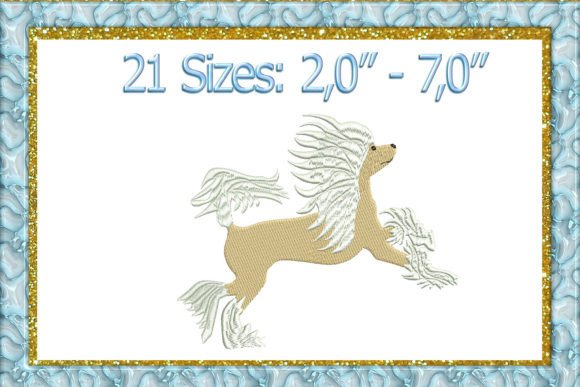
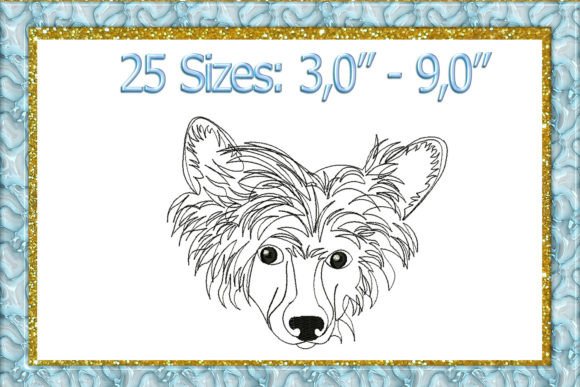
The initial visual impact of the Chinese Crested Machine Embroidery design is distinct. Given the subject matter—a dog known for its unique, hairless appearance and tufted accents—the design inherently carries a playful yet elegant personality. For brands in the pet industry, grooming services, or boutique retail, this aesthetic strikes a balance between friendly and premium. It does not feel overly rustic or chaotic; instead, it offers a clean, decorative look that can adapt to various brand identities.
When reviewing the file structure, which includes nine formats such as PES and Brother, the versatility is immediately apparent. However, the true test lies in how these digital assets translate to physical media. The design’s lines appear suitable for capturing the delicate features of the breed without becoming a tangled mess of thread, provided the digitizer has optimized the pathing correctly. For a small business owner, this means the design can serve as a recognizable mascot or a subtle accent, depending on the scale.
Performance in Real-World Business Applications
For small business owners, especially those selling handmade products or managing local cafes and creative studios, merchandise is a powerful marketing tool. Here is how the Chinese Crested Machine Embroidery performs across different applications:
- Embroidered Patches: This is perhaps the strongest use case. The design works well as a standalone patch that can be ironed or sewn onto jackets, bags, or hats. A high-quality embroidered patch adds perceived value to any item, turning a basic garment into a collectible piece of small business merch.
- Staff Uniforms and Aprons: For pet groomers, veterinarians, or boutique staff, having a consistent logo on uniforms builds trust. The Chinese Crested Machine Embroidery can be placed on the chest pocket of an apron embroidery project or the sleeve of a work shirt. It serves as a professional badge of identity, signaling expertise and care.
- Cap Embroidery: Caps are popular promotional items. The design fits well on the front panel of a baseball cap, provided the size is adjusted to fit the curved surface. Cap embroidery requires precise density control to avoid puckering, and this design’s structure seems conducive to that if scaled correctly.
- Tote Bag Design: Reusable tote bags are staples for eco-conscious brands. Placing this design on a canvas tote creates a charming tote bag design that customers will actually use, extending your brand’s reach beyond the store.
Technical Considerations for Production
While the artistic merit is clear, the technical execution determines whether a commercial embroidery project succeeds or fails. When using the Chinese Crested Machine Embroidery file, several factors require careful attention.
First, consider the stitch density. Detailed animal portraits can sometimes suffer from excessive density, leading to stiff fabric or thread breaks. Before running a full production batch, always test the file on a scrap piece of the same fabric you intend to use. If the design feels too heavy, you may need to adjust the density settings in your embroidery software or choose a lighter stabilizer.
Second, fabric texture plays a crucial role. On smooth fabrics like poly-cotton blends, the design will appear crisp. However, on textured materials like terry cloth towels or rough canvas, fine details might get lost. For dark uniforms, ensure you have a sufficient underlay and consider using white or light-colored threads for highlights to maintain visibility. The contrast between thread colors and the base fabric is vital for legibility, especially if the design is used as a small logo accent.
Third, verify the hoop size compatibility. Although the file comes in multiple formats, you must confirm that the design dimensions fit within your machine’s maximum hoop area. Attempting to resize a design beyond its intended limits can distort proportions and cause stitching errors. Always check the specific dimensions included in the file package before purchasing or producing.
Impact on Brand Identity and Customer Trust
In the world of custom apparel and handmade goods, consistency is key to building brand identity. Using a high-quality digital embroidery file like the Chinese Crested Machine Embroidery ensures that every item leaving your shop looks professional. Customers associate neat, well-executed embroidery with quality and attention to detail. This perception increases customer trust and encourages repeat business.
Moreover, unique designs help differentiate your brand from competitors. A generic clipart logo rarely inspires loyalty, but a custom-embroidered mascot creates an emotional connection. Whether used on product packaging accents or as part of a gift set, this design enhances the overall presentation of your handmade product. It transforms a simple transaction into a memorable brand experience.
Practical Designer Notes for Implementation
Before integrating the Chinese Crested Machine Embroidery into your product line, follow these practical steps to ensure success:
- Test in Black and White: Run a test stitch-out using only black thread on white fabric. This reveals the structural integrity of the design without the distraction of color. If it looks good in monochrome, it will likely look great in color.
- Check Small Patch Sizes: Scale the design down to the smallest size you plan to offer. Ensure that fine details do not merge or become indistinguishable. If the eyes or fur tufts disappear, the design may need simplification for smaller applications.
- Use Proper Stabilizer: Select a stabilizer that matches your fabric weight. Cut-away stabilizers are generally better for garments that will be washed frequently, while tear-away may suffice for temporary or decorative items.
- Create a Printable Mockup: Use design software to place the embroidery image on a photo of your actual product. This printable mockup helps clients visualize the final result and aids in internal decision-making regarding placement and size.
- Confirm Commercial Licensing: Always read the license terms associated with the design assets. Ensure that the file permits commercial use for physical goods if you intend to sell items featuring this embroidery. Never assume; always verify.
In conclusion, the Chinese Crested Machine Embroidery design offers significant potential for small businesses looking to add character and professionalism to their merchandise. By understanding its visual personality, respecting technical limitations, and applying it strategically across various products, you can create a cohesive and appealing brand presence. Whether for Dogs lovers or general pet enthusiasts, this Embroidery asset serves as a versatile tool in your creative arsenal.