Review: Cute Halloween Spider Embroidery Design
As a designer who spends more time staring at stitch maps than actual thread spools, I have learned that not all holiday motifs are created equal. Some are too dense for delicate fabrics, while others lack the visual punch needed to stand out on a crowded Etsy feed. When I first loaded the Cute Halloween Spider Machine Embroidery design into my software, I was looking for that specific balance between whimsical charm and technical reliability. This isn’t just about stitching a spider; it is about creating a finished product that feels professional, durable, and genuinely appealing to the end customer.
First Impressions and Visual Personality
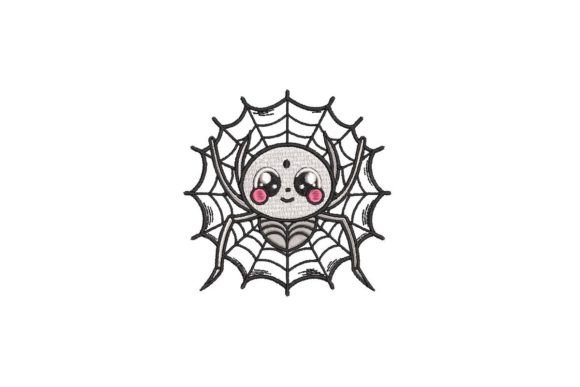
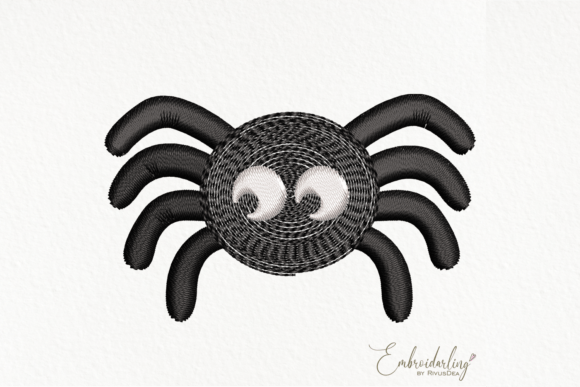
The immediate mood this design creates is playful rather than spooky. In the world of holiday embroidery, there is a distinct market for "cute" over "creepy," especially when targeting families, nurseries, or boutique apparel. The layout of this spider suggests a rounded, friendly aesthetic. It avoids the jagged, aggressive lines often associated with traditional horror themes, making it versatile for a wider range of applications.
From a structural perspective, the design appears to rely on a mix of satin stitch for the outlines and body definition, likely paired with fill stitch areas to give the spider volume. This combination is critical. Pure satin stitch can look flat on larger shapes, while excessive fill stitch can create bulk that distorts lightweight fabrics. The visual personality here leans toward approachable, which means it works exceptionally well for items intended for children or lighthearted home decor.
Real-World Application: The Tote Bag Test
To truly evaluate a machine embroidery design, you have to imagine it on a physical object. I recently worked on a custom order for a local craft fair vendor who needed a quick-turnaround item for October. We chose a heavy canvas tote bag as the base. This is where the Cute Halloween Spider Machine Embroidery shines. Canvas provides the necessary stability for the stitches to sit cleanly without sinking into the weave.
When stitched out, the design held its shape remarkably well. The legs, often the trickiest part of any arachnid motif due to their thinness, maintained clarity. There was no noticeable thread breakage or nesting, provided the tension was calibrated correctly. For an Etsy seller or small shop product creator, this reliability is gold. You do not want to spend twenty minutes hooping and stitching only to pull out a bird’s nest of thread because the design had problematic jumps or excessive density in tight corners.
Versatility Across Product Lines
Beyond tote bags, this design translates effectively to several other popular categories. Consider sweatshirt embroidery. On a fleece or cotton-blend hoodie, the raised texture of the fill stitches adds a tactile element that customers love. It becomes a feature, not just a print. Similarly, for baby embroidery projects like onesies or burp cloths, the cute factor is high. However, this requires caution. I would recommend scaling the design down slightly if placing it on a small chest area, ensuring the stitch density does not make the garment stiff or uncomfortable against sensitive skin.
For home goods, think pillow covers or kitchen towels. A personalized gift featuring this spider alongside a monogram could be a hit for fall-themed weddings or housewarmings. The design acts as a seasonal accent that doesn’t scream "Halloween" so loudly that it can’t be left up through November. It bridges the gap between specific holiday decor and general autumnal aesthetics.
Technical Considerations and Fabric Choices
While the design is robust, it is not immune to the laws of physics. Embroidery is essentially pulling thread through fabric, and that tension causes movement. Here is where your choice of stabilizer becomes non-negotiable. For woven fabrics like cotton or linen, a cut-away stabilizer is ideal for long-term durability, especially if the item will be washed frequently. For knits, such as t-shirts or baby clothes, a tear-away might suffice for lighter runs, but a cut-away ensures the design doesn’t pucker after the first wash cycle.
Be mindful of fabric texture. On highly textured materials like terry cloth towels, the fine details of the spider’s eyes or leg tips might get lost. In these cases, using a water-soluble topping can help the needle penetrate cleanly and keep the stitches sitting on top of the loops rather than sinking in. Conversely, on slippery fabrics like satin or polyester blends, ensure you use enough stabilizer to prevent shifting. A misaligned spider looks less "cute" and more "accidental."
Navigating Dark and Stretchy Fabrics
One common challenge with Halloween themes is the prevalence of black fabric. If you are stitching this design on a black custom apparel piece, thread color contrast is key. Traditional orange or purple threads pop beautifully, but if you opt for a subtle look, ensure your thread has enough sheen to distinguish itself from the background. Also, avoid stretching stretchy fabrics while hooping. Use a floating method if necessary to prevent the garment from snapping back and distorting the circular symmetry of the spider’s body.
Enhancing Brand Value and Customer Trust
For commercial embroidery professionals and craft business owners, the quality of your digital assets directly impacts your brand perception. A clean, well-digitized design like this one signals professionalism. When customers see crisp edges and consistent stitch direction, they subconsciously associate that quality with your entire shop. It builds trust. Furthermore, using a versatile design allows for cohesive branding across different products. You can use the same embroidery file for patches, hats, and bags, creating a recognizable visual language for your seasonal collection.
Creating printable mockups or digital previews for your online listings is also easier with a design that has clear lines. The distinct shape of the spider makes for compelling thumbnail images, which can drive higher click-through rates on platforms like Etsy or Shopify. It is not just about the stitch; it is about the marketing potential of the visual asset.
Practical Designer Notes for Best Results
Before you commit to a large production run, always follow these steps to ensure success with the Cute Halloween Spider Machine Embroidery:
- Test on Scrap Fabric: Always stitch a test sample on the exact fabric type and weight you plan to use for the final product. This reveals any tension issues or density problems.
- Check Thread Contrast: View your design in black and white on your screen. If the details disappear, you may need to adjust thread colors or simplify the background.
- Verify Hoop Size: Ensure the design fits comfortably within your hoop, leaving at least an inch of margin around the edges to prevent hoop burns or clipping.
- Inspect Small Details: Zoom in on the digitizing software. Look for unnecessary jump stitches or overly dense areas in the legs that might cause thread breaks.
- Confirm Licensing: Before selling finished items or using the design in commercial products, verify the license terms provided with the digital embroidery file. Most designers allow physical sales but restrict sharing the file itself.
In conclusion, this design offers a solid foundation for fall-themed projects. It balances aesthetic appeal with technical practicality, making it a reliable choice for both hobbyists and professional embroidery project creators. By paying attention to fabric choice, stabilization, and thread selection, you can transform this simple digital file into a high-value finished product that delights customers and enhances your portfolio.