Reviewing the Bee Embroidery Design for Custom Gifts
As an embroidery designer who spends countless hours digitizing and testing patterns, I know that not every machine embroidery design is created equal. Some are technically sound but lack soul, while others are charming but impossible to stitch cleanly on certain fabrics. Recently, I had the opportunity to test the Bee Embroidery Design with a specific goal in mind: determining its viability for a personalized gift shop. My clients range from Etsy sellers looking for their next best-seller to boutique owners creating high-end home decor. Here is my honest, practical review of how this design performs in a real-world production environment.
First Impressions: Charm Meets Versatility
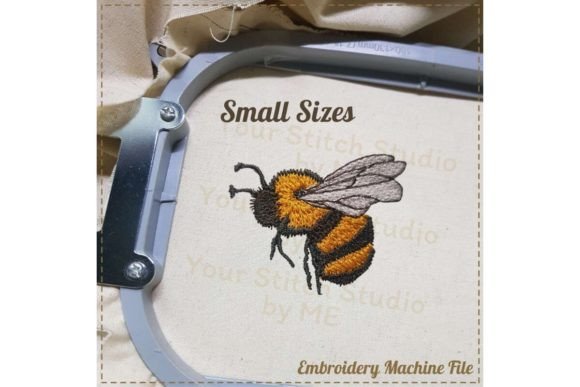
The moment I loaded the digital embroidery file into my software, the mood of the piece was immediately apparent. This is not a hyper-realistic, scientific illustration of an insect. Instead, it leans into a whimsical, handmade aesthetic that feels warm and inviting. For those of us working in the Bugs category, finding a balance between cute and elegant is crucial. This design strikes that balance beautifully. It feels playful enough for a child’s room yet refined enough for a modern kitchen towel.
The detail level is moderate, which is a significant advantage for commercial use. Overly complex designs often result in thread breaks or messy backsides, especially when producing items in bulk. This bee motif offers enough texture to look professional but remains simple enough to stitch quickly. The emotional appeal is strong; bees symbolize community, hard work, and nature, making them a popular choice for customers seeking meaningful symbols in their personalized gift selections.
Real-World Applications for Makers and Sellers
When planning a product line, versatility is key. I tested this design across several common substrates to see where it truly shines. For baby product creators, this design is a standout. Imagine a soft muslin swaddle or a cotton onesie featuring this little bee. It works exceptionally well for baby embroidery projects because the shapes are rounded and friendly, avoiding sharp angles that might irritate sensitive skin if backed correctly.
For wedding gift designers and those creating family keepsakes, the bee can be paired with monograms or dates. A linen napkin set or a custom apron embroidered with this motif makes for a thoughtful housewarming or bridal shower present. I also found it particularly effective on home decor items. An embroidered towel in the kitchen adds a touch of rustic charm, while a stitched pillow cover can serve as a seasonal accent that stays relevant from spring through late summer.
Etsy sellers and small shop owners will appreciate how photogenic this design is. In product photography, the contrast of the thread against natural fabrics like canvas tote bags or denim creates a visually appealing image that drives buyer engagement. It elevates a basic blank item into a curated handmade product with perceived value.
Navigating Fabric Textures and Technical Challenges
While the design is versatile, it is not without its technical considerations. As experienced makers know, fabric texture plays a massive role in the final outcome. I encountered some challenges when stitching on highly textured towels. The loops of the terry cloth can sometimes swallow smaller details. If you plan to use this on thick towels, I strongly recommend using a water-soluble topping to keep the stitches sitting on top of the fabric rather than sinking in.
Stretchy fabrics, such as those used for baby clothes, require careful attention to stabilization. Without the proper stabilizer, the design can pucker or distort after washing. I advise using a cut-away stabilizer for garments that will undergo frequent laundering to ensure the finished product maintains its shape and integrity over time.
Another critical factor is color contrast. On dark fabrics, the lighter threads typically used for bee wings and bodies pop beautifully, but you must ensure your thread colors are vibrant enough to stand out. Conversely, on light fabrics, subtle shading becomes more important. I always recommend creating a printable mockup or stitching a test sample on both light and dark scraps before committing to a large batch of customer orders.
Enhancing Perceived Value and Customer Trust
From a business perspective, the quality of your embroidery directly impacts customer trust. A clean, well-stitched design signals professionalism. The Bee Embroidery Design contributes to this by offering a polished look that doesn’t appear overly dense or cluttered. When customers receive a custom embroidery item that feels durable and aesthetically pleasing, they are more likely to leave positive reviews and return for future purchases.
This design also supports storytelling in your marketing. You can highlight the symbolism of the bee, connecting it to themes of nature, sustainability, and sweetness. This emotional connection enhances the giftability of the item. Whether it is a wedding gift for a couple who loves gardening or a baby shower present for new parents, the narrative behind the design adds value beyond the physical object.
Practical Notes for Production Success
Before you add this to your inventory, here are some essential steps to ensure success:
- Test on Scrap Fabric: Always run a test stitch-out on the exact fabric you intend to sell. This helps you identify any tension issues or registration errors.
- Check Thread Color Contrast: Ensure your chosen thread palette provides enough contrast against your base fabric. Natural tones like golds, yellows, and browns work well, but don’t be afraid to experiment with non-traditional colors for a modern twist.
- Confirm Hoop Size: Verify that the design fits comfortably within your machine’s hoop size. Leaving adequate margin around the design prevents hooping marks from showing on the final product.
- Review Stitch Density: Check the stitch count and density in your software. If the density is too high for lightweight fabrics, you may need to adjust settings or use a heavier stabilizer to prevent puckering.
- Use Proper Stabilizer: Match your stabilizer to your fabric. Tear-away for stable woven fabrics, cut-away for knits and stretchy materials, and water-soluble for delicate or textured surfaces.
- Inspect Small Details: After stitching, examine the finer points of the bee, such as the wings and antennae. Ensure they are crisp and not tangled. Trim any loose threads meticulously.
- Confirm Commercial Licensing: Before selling any small shop product featuring this design, verify the license terms provided with the embroidery file. Ensure you have the right to use it for commercial embroidery purposes.
Final Thoughts for Crafters and Business Owners
In the competitive world of online handmade sales, having reliable, attractive designs is half the battle. The Bee Embroidery Design offers a delightful blend of charm and practicality. It is well-suited for a wide range of applications, from blanket embroidery for nurseries to chic accents on adult apparel. By paying attention to fabric choices, stabilization, and thread selection, you can produce high-quality items that resonate with customers.
Whether you are an established Etsy seller or just starting your journey as a crafter, this design provides a solid foundation for creating memorable, personalized gifts. It captures the essence of handmade warmth while meeting the technical demands of modern machine embroidery. As always, let your creativity guide you, but let testing and preparation ensure your success.