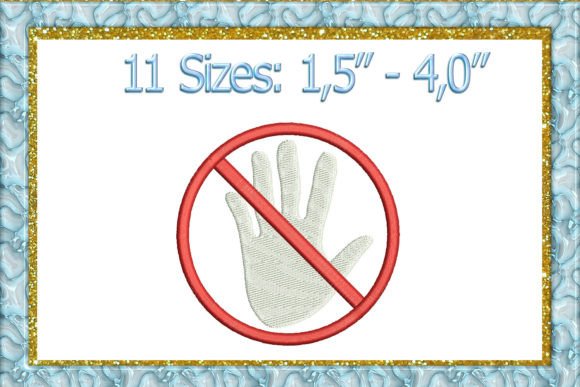
Reviewing the No Touch Embroidery Design for Craft Fairs
As an embroidery designer who has spent countless weekends behind a booth table, I have learned that not every machine embroidery design is created equal when it comes to retail success. Some designs look beautiful on a screen but vanish in person, while others become instant bestsellers because they communicate a clear message with visual impact. Recently, I evaluated the No Touch Embroidery Design to determine its viability for my upcoming craft fair season. This review focuses on how this specific embroidery file performs as a craft fair product and whether it deserves a spot in your digital library.
First Impressions and Visual Appeal
The first thing that strikes you about the No Touch Embroidery Design is its clarity. In the world of Awareness and service dog advocacy, subtlety often gets lost. This design does not whisper; it speaks. The concept is straightforward: it signals to the public that a dog is working and should not be petted. From a design perspective, this translates into a bold, functional aesthetic rather than something purely decorative or farmhouse-style. It feels modern, urgent, and essential.
When I loaded the file into my software, I noticed it comes with 11 sizes, starting at a compact 1.53” x 1.53” (38.8mm x 38.8mm) with 2539 stitches. This versatility is crucial. A design that can scale from a small accent on a collar to a larger statement piece on a tote bag offers immense value to a small shop product lineup. The stitch count suggests a moderate density, which is ideal for durability without creating excessive bulk.
Product Applications for the Handmade Market
To truly test a design, you must imagine it on various substrates. Here is how I see the No Touch Embroidery Design performing across different handmade product categories:
- Tote Bags and Market Bags: This is perhaps the strongest application. A large version of this design on a canvas tote serves as both a functional accessory and a mobile billboard for service dog awareness. It photographs beautifully for Etsy seller listings because the contrast between the thread and fabric is usually high.
- Apron Embroidery: For those selling kitchen linens, placing this design on an apron pocket adds a touch of personality. It works well for customers who have service dogs and want to integrate their daily needs into their home aesthetics.
- Tea Towel Embroidery: While possible, caution is needed here. Textured towels can swallow smaller details. If you choose this route, ensure you use a cut-away stabilizer to prevent puckering, as the fabric texture of waffle weave or terry cloth can distort the message.
- Embroidered Patch: Creating iron-on or sew-on patches is a lucrative niche. The 1.53-inch size is perfect for a patch that can be applied to jackets, backpacks, or dog vests. Patches are low-risk inventory items that sell well at booths.
- Caps and Hats: Curved surfaces are tricky. If you embroider this on a cap, ensure the design is centered and not too wide, or it will distort around the curve. The smaller sizes included in this package are better suited for headwear.
Production Practicality and Batch Selling
For any creative entrepreneur, time is money. The No Touch Embroidery Design appears to be optimized for efficiency. With a stitch count of roughly 2500 for the smallest size, it runs quickly, allowing for batch production. This is vital when preparing for a weekend market where you need multiple samples ready to go. The design’s simplicity means fewer thread breaks and less trimming, which speeds up the finishing process.
However, practical selling points go beyond speed. The design must be understandable at a glance. In a busy craft fair aisle, customers scan tables rapidly. A clear "No Touch" message stops them in their tracks, sparking conversation and engagement. This interaction is where sales happen. Whether you are selling the digital embroidery file itself or the finished product, the clarity of the design drives buyer confidence.
Careful-Use Notes for Designers
While this design is robust, there are technical considerations to keep in mind to maintain professional quality:
- Stitch Density: Always check the density settings in your machine. If the design feels too dense for lightweight fabrics like cotton voile, add a topping stabilizer to prevent sink-in.
- Thread Colors: High contrast is key. Use bright whites, yellows, or reds against dark fabrics, or deep blacks and navies against light fabrics. Avoid low-contrast combinations like beige on white, as the message may become illegible from a distance.
- Small Lettering: If the design includes text, verify that the smallest size remains readable. At 1.53 inches, fine details might merge. Always stitch out a test sample on scrap fabric before committing to final goods.
- Dark Fabric: When stitching on black or navy, consider using a lighter underlay or a backing material to ensure the top threads pop. This enhances the visual appeal and ensures the design stands out.
Enhancing Brand Consistency and Value
Incorporating the No Touch Embroidery Design into your lineup can strengthen your brand’s identity as a thoughtful, aware creator. It shows that you understand the needs of your customers, particularly those in the service dog community. This empathy translates to perceived value. Customers are willing to pay more for items that solve a problem or provide necessary utility, such as clearly marking a working dog.
For commercial embroidery businesses, this design is a safe bet. It is unlikely to go out of style because the need for service dog awareness is constant. Unlike seasonal trends, this is an evergreen niche. By offering products featuring this design, you create a consistent revenue stream that supports your broader creative endeavors.
Final Designer Recommendations
Before you list this as a printable mockup or start stitching your inventory, take these final steps:
- Test the design on the exact hoop size you plan to use. Even though 11 sizes are provided, your machine’s maximum hoop might limit your options.
- Confirm the licensing terms. Ensure the design assets allow for commercial use if you intend to sell physical items.
- Create at least one real-world mockup. Photograph the embroidered item in natural light to see how the threads reflect. This helps in creating compelling online listings.
- Check the file format compatibility with your specific machine software to avoid conversion errors.
The No Touch Embroidery Design is a strong contender for any embroidery business looking to expand into the awareness niche. It balances aesthetic simplicity with functional importance, making it a reliable choice for both digital sellers and handmade goods creators. By focusing on quality production and strategic product placement, you can turn this simple design into a standout seller at your next market event.