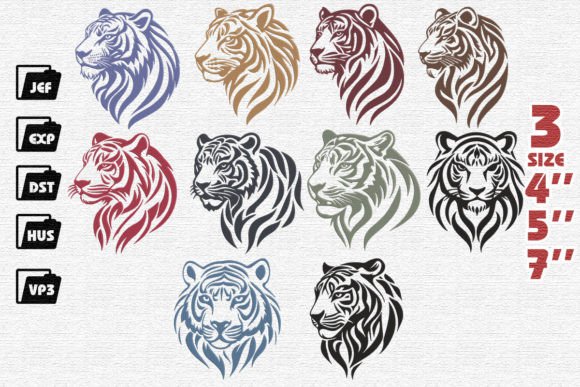
Reviewing the Tribal Tiger Embroidery Set
As an embroidery designer who has spent years testing digital files for real-world application, I approach every new machine embroidery design with a mix of curiosity and caution. When I first loaded the Set of 10 Tribal Tiger Embroidery into my software, I was looking for more than just aesthetic appeal. I wanted to know if these designs could hold up under the scrutiny of a paying customer. For those of us running small shops or selling on platforms like Etsy, the difference between a refund and a rave review often lies in the technical execution of the embroidery file.
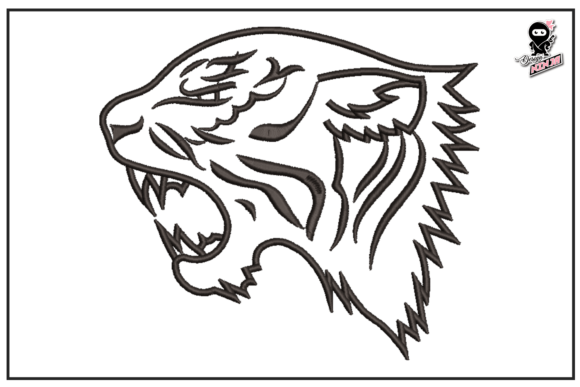
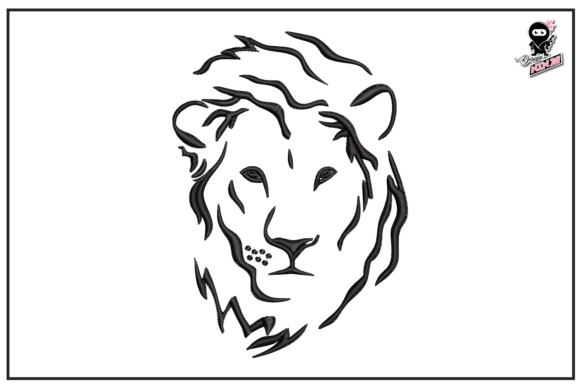
This collection falls squarely into the Wild Animals category, but it does not rely on realistic fur rendering. Instead, it utilizes bold, graphic lines that evoke a tribal aesthetic. This stylistic choice is crucial for machine embroidery, as it often translates better to fabric than hyper-realistic shading, which can require excessive thread changes and high stitch counts. My initial impression was one of modern strength. The designs feel contemporary and bold, making them suitable for customers who want a statement piece rather than something traditionally cute or delicate.
First Impressions and Aesthetic Appeal
The mood of the Set of 10 Tribal Tiger Embroidery is distinctly powerful yet artistic. There is a raw charm to the tribal styling that bridges the gap between modern home decor and traditional craft. When I zoomed in on the details, I noticed that the line work was clean, which is a positive sign for stitch-out quality. Complex, jagged lines in tribal art can sometimes cause thread breaks or nesting if the digitizing is poor, but these designs appeared optimized for smooth sewing.
For a personalized gift, emotional connection is key. While tigers are often associated with ferocity, the tribal interpretation softens the image into something symbolic and protective. This makes the design versatile. It appeals to a wide demographic, from parents looking for unique nursery decor to adults seeking bold accents for their living spaces. The visual weight of the tiger motif commands attention, ensuring that the finished product becomes a focal point rather than background noise.
Versatility in Product Application
One of the strongest aspects of this collection is its adaptability. I tested the designs mentally against various product types to see where they would shine. Here is how I envision these files performing in a commercial setting:
- Home Decor: The bold nature of the tiger makes it ideal for cushion covers and wall art. A large hoop size would allow the full majesty of the tribal lines to be displayed, creating a striking visual statement in any room.
- Apparel and Accessories: For a custom tote bag or an apron, the graphic style works beautifully. It avoids the "stiff" look that heavy embroidery can sometimes create on wearable items, provided the stitch density is managed correctly.
- Nursery Items: While not a typical baby motif, the protective symbolism of the tiger can appeal to parents wanting unique baby embroidery. However, I would recommend scaling down the design for onesies to ensure comfort.
- Wedding and Keepsakes: For a non-traditional wedding gift, such as a personalized blanket for a couple who loves wildlife, this set offers a distinctive alternative to floral or monogram-only designs.
For an Etsy seller or small business owner, having a set of ten variations means you can offer customization without needing to digitize new files constantly. You can rotate through different poses or styles within the tribal theme, keeping your shop fresh and engaging for repeat buyers.
Technical Considerations and Fabric Choices
While the aesthetic is strong, the practical application requires careful planning. As a designer, I always advise checking the specific technical details of the digital embroidery file before committing to a large order. Since the product description notes that these are suitable for home decor, we must consider how they interact with different materials.
Fabric texture plays a significant role in the final outcome. Tribal designs rely on sharp lines and clear negative space. If you stitch these on a highly textured fabric, such as a thick waffle-weave towel or a rough linen, some of the finer details might get lost. I recommend testing on a smooth cotton or a tight-weave canvas first. For an embroidered towel, you must use a sufficient cut-away stabilizer to prevent the fabric from puckering under the weight of the stitches.
Another critical factor is stitch density. Bold designs can sometimes be digitized with high density to create a solid, filled look. However, on stretchy fabrics like baby clothes or jersey knits, high density can cause the garment to warp. Always check the stitch count and density settings in your software. If the design feels too heavy, consider using a lighter weight thread or adjusting the pull compensation settings if your software allows.
Color contrast is also vital. The tribal style often looks best with high-contrast thread colors. A black tiger on a white tote bag is classic, but experimenting with deep navy on cream or charcoal on light gray can add sophistication. Always create a printable mockup or do a physical test stitch to confirm that the thread colors you choose provide the necessary definition.
Navigating Challenges in Production
There are specific scenarios where the Set of 10 Tribal Tiger Embroidery should be used with caution. Small lettering combined with intricate tribal patterns can be difficult to read if the design is scaled down too much. If a customer requests a name integrated into the design, ensure the font size is large enough to remain legible after stitching.
Curved surfaces, such as the toe of a sock or the cap of a hat, present another challenge. The rigid lines of tribal art may distort on highly curved areas. For these items, I suggest placing the design on flatter panels or choosing a simpler variation from the set of ten. Additionally, for products that require frequent washing, such as kitchen towels or baby blankets, ensure that you are using high-quality rayon or polyester threads that resist fading and fraying.
Dark fabrics require special attention. If you are stitching a light-colored tiger on a dark background, you will need a proper underlay and potentially a topping stabilizer to prevent the dark fabric from peeking through the stitches. This is a common issue with commercial embroidery that can ruin the perceived quality of a handmade product if not addressed.
Enhancing Perceived Value and Customer Trust
From a business perspective, the quality of your embroidery directly impacts customer trust. A clean, well-executed tribal tiger design signals professionalism. It shows that you understand how to handle complex motifs and that you care about the durability of the item. This builds an emotional connection with the buyer, who sees the item not just as a commodity, but as a crafted piece of art.
When photographing your custom embroidery for online listings, highlight the texture and the precision of the lines. Close-up shots of the stitch work can significantly boost buyer engagement. Show the design on different products—a pillow cover, a framed piece, a tote—to demonstrate versatility. This helps customers visualize the item in their own homes, increasing the likelihood of a sale.
Final Practical Steps for Makers
Before you list these designs in your shop, take the following steps to ensure success:
- Test on Scrap Fabric: Always run a test stitch on the same type of fabric you plan to sell. Check for puckering, thread breaks, and color accuracy.
- Confirm Hoop Size: Ensure your machine’s hoop size accommodates the largest design in the set. If the design is larger than your hoop, you will need to use a multi-position technique, which requires precise alignment.
- Check Licensing: Verify the commercial licensing terms of the digital embroidery file. Ensure you are allowed to sell finished products made with these designs, especially if you are operating as a small shop product creator.
- Review Stabilizer Needs: Match your stabilizer to your fabric. Heavy designs on light fabrics need robust support.
In conclusion, the Set of 10 Tribal Tiger Embroidery offers a compelling option for makers looking to expand their Wild Animals collection. With its bold aesthetic and versatile application, it has the potential to become a bestseller in your store. By paying attention to technical details and fabric choices, you can transform these digital files into stunning, tangible gifts that resonate with customers seeking unique, high-quality handmade items.