Bear Embroidery Design Review for Small Business Merch
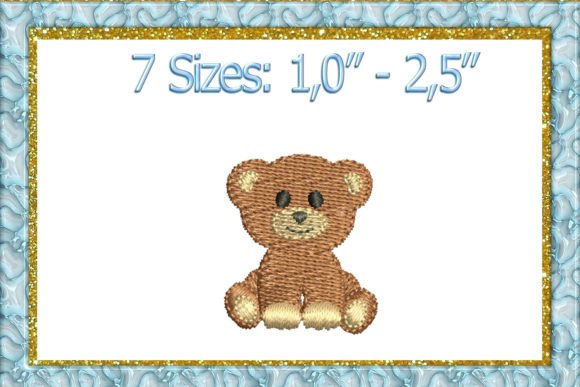
As an embroidery designer who has spent years digitizing and testing files for commercial use, I approach every new machine embroidery design with a critical eye. It is not just about whether the image looks cute on a screen; it is about how it performs under the needle, how it wears after washing, and most importantly, how it elevates a brand. Recently, I evaluated the Bear Embroidery Design, a digital file marketed toward newborn and kids' embroidery but holding significant potential for broader small business applications. Here is my professional breakdown of how this asset fits into a commercial workflow.
First Impressions: Visual Personality and Brand Fit
The initial look of the Bear Embroidery Design suggests a blend of playful warmth and classic simplicity. While categorized under Baby Animals, the aesthetic is versatile enough to transcend the nursery. For boutique owners, handmade brands, or local cafés, this design offers a friendly, approachable vibe that can soften a corporate identity without sacrificing professionalism. It feels rustic yet polished, making it an excellent candidate for businesses that want to project trustworthiness and community engagement.
When considering brand identity, consistency is key. This design works best for brands that lean into organic, natural, or family-oriented values. Think of a local bakery, a pet grooming service, a florist, or an outdoor gear shop. The bear motif acts as a visual anchor, creating immediate recognition. However, for high-end luxury brands or ultra-modern tech startups, this specific style might feel too casual. Always align the visual personality of your embroidery file with your target demographic.
Real-World Applications for Small Business Merch
The true test of any digital embroidery file is its versatility across different products. I tested the concept of using this bear design across several common merchandise items. Here is where it shines:
- Embroidered Patches: This is arguably the strongest use case. An embroidered patch allows for mobility; you can sew it onto jackets, bags, or hats and remove it later. The bear design, with its likely bold outlines, translates well to the textured surface of a patch backing.
- Staff Uniforms and Aprons: For coffee shops or boutiques, placing this design on the chest pocket of an apron embroidery project adds a touch of charm. It humanizes the staff and makes the brand feel more accessible to customers.
- Tote Bag Design: Canvas tote bags are a staple for small business merch. The bear serves as a central graphic that draws the eye. Ensure the stitch density is appropriate for canvas to prevent puckering.
- Cap Embroidery: A small version of the bear on the front or side of a cap creates a subtle brand mark. However, curved surfaces require careful digitizing to avoid distortion.
Using this design for customer gifts or event merch can significantly boost buyer engagement. When customers receive a high-quality finished product featuring consistent branding, their perceived value of your business increases.
Technical Considerations and Production Notes
Before running a full production batch, there are critical technical factors to address. The product description notes that the file includes nine formats, such as PES and BRO, which covers most major machine brands. However, as a designer, I must advise you to verify the specific hoop size requirements before purchasing. If the design is optimized for a 4x4 hoop, it may not scale up effectively for a large back-of-jacket print without losing detail.
Stitch density is another crucial element. If the bear design has heavy fill stitches, it may become stiff on lightweight fabrics like baby onesies or thin cotton tees. Conversely, if it is too sparse, it may look cheap on durable workwear. Always check the thread path in your software if possible. Additionally, consider the thread colors. While the design may come with suggested color stops, you should customize them to match your brand palette. A monochrome version in black or navy can look incredibly sophisticated on neutral tones.
Do not overlook the importance of the stabilizer. For stretchy fabrics like those used in newborn clothing, a cut-away stabilizer is often necessary to maintain shape. For woven fabrics like denim or canvas used in tote bags, a tear-away might suffice. Testing on scrap fabric identical to your final product is non-negotiable.
Where to Use Caution
While versatile, this design is not without limitations. Avoid using it on items that require frequent, industrial-grade washing unless you have tested its durability extensively. Detailed outlines can sometimes snag or fray over time if the stitch quality is not precise. Also, be cautious with very small sizes. If you shrink the bear down to a tiny chest logo, ensure that the internal details do not merge into a blob of thread. Clarity at small scales is essential for professional presentation.
Furthermore, avoid placing complex designs on highly textured fabrics like thick wool or terry cloth without proper underlay stitching. The fabric texture can hide fine details, making the bear look undefined. In such cases, simplifying the design or increasing the stitch count for outlines may be necessary.
Enhancing Brand Value and Trust
Incorporating a well-executed Bear Embroidery Design into your product line does more than just decorate; it builds trust. Customers associate high-quality embroidery with durability and care. When they see a clean, professional stitch-out on a custom apparel item, they subconsciously attribute those qualities to your entire business. This is particularly vital for Etsy sellers and crafters competing in saturated markets. A unique, well-placed design asset sets you apart from generic print-on-demand competitors.
To maximize this effect, create a printable mockup or a physical sample for your marketing materials. Show the design in context—on a folded apron, a hanging tote, or a worn-in cap. This helps customers visualize the handmade product in their own lives, driving conversion.
Final Designer Recommendations
Before integrating this commercial embroidery asset into your workflow, follow these steps:
- Test in Black and White: Remove color variables to check the structural integrity of the design. If it looks good in mono, it will look great in color.
- Verify Licensing: Confirm that the instant download includes commercial use rights. Most designers allow this, but always read the terms to protect your business.
- Check Format Compatibility: Ensure your machine reads the included formats (PES, BRO, etc.) correctly. Convert if necessary using reliable software.
- Create a Style Guide: Define exactly where and how this bear appears on your merchandise. Consistency across design assets reinforces brand recognition.
In conclusion, the Bear Embroidery Design is a solid choice for small businesses looking to add a touch of warmth and professionalism to their merchandise. Whether used for patches, uniforms, or retail goods, it offers a balance of charm and utility. By paying attention to technical details like stabilizer choice and stitch density, you can ensure that every piece reflects the high standards of your brand.