Review: Bunny Machine Embroidery Design File
As an embroidery designer who has spent countless weekends behind a craft fair table, I know that the difference between a browser and a buyer often comes down to visual impact. When I first loaded the Bunny Machine Embroidery Design File into my software, my immediate thought was not just about stitch paths, but about shelf appeal. In the crowded world of handmade goods, especially within the Baby Animals category, you need a design that stops traffic. This review breaks down how this digital embroidery file performs in real-world production scenarios, from busy market booths to quiet Etsy shops.
First Impressions and Aesthetic Appeal
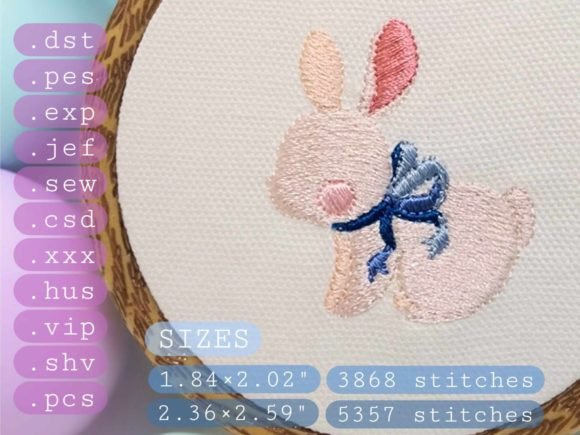
The initial glance at this design suggests a blend of softness and charm, ideal for the current trend of gentle, nursery-inspired decor. It does not scream for attention with neon colors or aggressive lines; instead, it invites the viewer closer. For a craft fair seller, this is crucial. You want items that look premium and thoughtful. The design feels decorative yet accessible, striking a balance between cute and sophisticated. It avoids the overly cartoonish look that can sometimes cheapen a finished product, leaning instead toward a style that fits well in modern farmhouse or minimalist boutique settings.
When considering the thread colors, this design offers versatility. It looks exceptional in pastel palettes for spring collections but holds its own in neutral tones for year-round sales. The visual weight is balanced, meaning it does not appear too heavy on light fabrics or get lost on darker materials, provided you choose the right contrast.
Product Versatility for Craft Fair Sellers
The true test of any machine embroidery design is its adaptability. I evaluated this file across several common craft fair product categories to see where it shines.
- Tote Bags: This is perhaps the strongest application. The design scales beautifully as a central focal point on canvas totes. It transforms a basic bag into a desirable tote bag design that customers love for grocery runs or beach days.
- Aprons and Tea Towels: For kitchenware, the design works well as a pocket accent. Apron embroidery benefits from designs that are not too dense, ensuring the fabric remains soft against the skin. Similarly, tea towel embroidery requires a design that survives frequent washing without puckering, and this file’s structure seems conducive to durable home goods.
- Embroidered Patches: If you are looking to create inventory quickly, turning this into an embroidered patch is a smart move. Patches are low-risk, high-margin items that allow customers to customize their own jackets or bags later.
- Caps and Hats: While possible, curved surfaces require caution. The design must be small enough to fit the cap’s front panel without distortion. Always test on a curved hoop if you plan to offer this as a small shop product.
Production Practicality and Batch Selling
For those of us running a commercial embroidery side hustle, time is money. A design that is difficult to hoop or prone to thread breaks is a liability. This digital embroidery file appears to have a logical stitch path. However, before committing to a large batch, you must check the stitch density. Dense areas can cause puckering on lightweight fabrics like voile or thin cotton. Conversely, if the density is too low, the backing stabilizer might show through, ruining the professional look of your finished product.
Batch production relies on consistency. This design seems repeatable, which is essential for creating a cohesive booth display. Imagine a table lined with matching pillow covers, pouches, and towels featuring the same motif. This brand consistency helps buyers visualize the item in their homes, increasing the likelihood of multiple purchases.
Crucial Technical Considerations
Before you list this as an Etsy seller or take it to a market, heed these practical notes:
- Stabilizer Selection: Always match your stabilizer to your fabric. A cut-away stabilizer is best for stretchy fabrics like tote bags, while tear-away works for stable woven cottons used in tea towel embroidery.
- Fabric Texture: Be mindful of fabric texture. Highly textured towels can obscure fine details. If the bunny design has tiny facial features, ensure they are large enough to remain clear on terry cloth.
- Test Stitches: Never skip the test run. Stitch out the design on scrap fabric identical to your final product. Check for thread tension issues and ensure the hoop size you intend to use accommodates the full design without cropping.
- Lighting and Photography: For online listings, use natural light. Create a printable mockup or photograph the actual stitched item to show scale. Customers need to see the quality of the stitches to trust the handmade product value.
Maximizing Sales Through Visual Strategy
The way you present this embroidery file output matters. In a physical booth, place the embroidered items at eye level. Use the design on items that people naturally touch, like soft pouches or plush toys. The tactile experience reinforces the perceived quality. For digital sellers, use high-resolution images that highlight the texture of the threads. Mentioning that the design is part of a curated design assets collection can also add value, suggesting that buyers are getting a professional-grade pattern.
It is also vital to respect the licensing terms. The description notes that you MUST have an EMBROIDERY MACHINE to stitch out the design. This implies it is a digital product for creators, not a printable image for paper crafts. Ensure you understand the commercial rights included with the purchase. Some designers allow unlimited sales of finished physical goods, while others have caps. Clarifying this protects your business and respects the original artist.
Final Verdict for Handmade Entrepreneurs
The Bunny Machine Embroidery Design File is a strong contender for spring and baby-themed collections. Its strength lies in its versatility and gentle aesthetic. It performs exceptionally well on tote bags and kitchen linens, offering a high perceived value with manageable production effort. By paying attention to stabilizer choices and fabric contrasts, you can produce items that look professionally made and sell quickly. Whether you are an experienced Etsy seller or a novice at your first local market, this design provides a solid foundation for building a charming, cohesive product line. Remember to always test on scrap fabric first, verify your hoop size compatibility, and let the quality of your stitching speak for itself.