Review: Believe Butterfly Embroidery Design
As an embroidery designer who spends more time at the sewing machine than I do sleeping, I know that not every machine embroidery design is created equal. Some are digital clutter, while others are genuine sales drivers. When I first loaded the Believe Butterfly Embroidery Design into my software, I was looking for that specific spark that turns a blank piece of fabric into a craft fair product people actually stop to buy. This review breaks down how this design performs in the real world, specifically for those of us running small shops and weekend booths.
First Impressions and Aesthetic Appeal
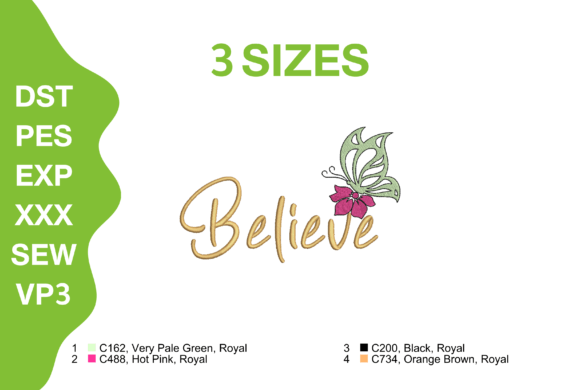
The immediate vibe of the Believe Butterfly Embroidery Design is soft, inspirational, and universally appealing. It does not scream for attention with aggressive colors or chaotic lines; instead, it invites the viewer in. The combination of the word "Believe" with the delicate structure of a butterfly creates a narrative of hope and transformation. For a handmade product line, this aesthetic fits perfectly into the current trend of mindful living and gentle decor. It feels less like a loud statement and more like a quiet confidence, which is exactly what many customers are seeking in their home goods and wearable art.
In terms of style, it bridges the gap between modern minimalism and traditional charm. It is not overly rustic, nor is it strictly contemporary. This versatility is crucial for an Etsy seller or boutique maker because it allows the design to appeal to a broader demographic. Whether your brand leans toward farmhouse chic or clean modern lines, this design adapts without losing its identity.
Versatility Across Product Lines
The description notes that this design is available in three different sizes to fit a variety of applications. From a production standpoint, this is a massive advantage. Let’s look at how it performs on specific items commonly found in the House category and beyond.
- Tote Bags and Market Bags: This is perhaps the strongest application. A medium-sized placement on a canvas tote creates an instant bestseller. The design acts as a focal point without overwhelming the bag’s utility. It photographs beautifully for online listings, offering a clear value proposition.
- Apron Embroidery: Placing the design on the bib of a kitchen apron adds a personal touch that mass-produced items lack. It transforms a standard kitchen tool into a giftable item for holidays or housewarmings.
- Tea Towel Embroidery: Here, caution is key. Tea towels have a loose weave. If the stitch density is too high, the fabric will pucker. However, if the design uses open fill stitches or satin borders, it can look elegant. Always test on your specific towel brand.
- Embroidered Patches: Using the smallest size for iron-on patches is a smart move for batch production. Patches are low-risk, high-volume small shop product options that allow customers to customize their own jackets or bags later.
- Pillow Covers: A large-scale version centered on a linen pillow cover creates a premium look. It elevates the perceived value of the finished product, allowing you to charge a higher price point.
Production Practicality and Technical Notes
While the aesthetic is strong, we must discuss the technical realities of turning a digital embroidery file into physical goods. The promise of three sizes is excellent, but it requires careful handling. When scaling down, fine details in the butterfly wings or the lettering of "Believe" may merge or become indistinct. I strongly advise checking the hoop size requirements for each variant. Do not attempt to force a large design into a small hoop by resizing it in your machine, as this distorts the stitch angles and causes thread breaks.
Stabilizer choice is critical here. For lightweight fabrics like cotton tees or thin tote materials, a cut-away stabilizer is often safer than tear-away to prevent distortion after washing. For textured items like terry cloth towels, you may need a water-soluble topping to keep the stitches from sinking into the pile. Always check the thread colors against your fabric. High contrast works well for visibility, but tonal threads (like cream on white) offer a subtle, expensive look that appeals to minimalist buyers.
One area requiring careful use is curved surfaces, such as caps. The butterfly shape has width, which can be tricky on the front panel of a baseball cap. Ensure you have the proper cap frame and consider using the smallest size variant to maintain proportion. Additionally, avoid placing dense stitch areas directly over seams, as this can cause needle deflection and broken threads.
Marketing and Visual Impact
For those selling commercial embroidery products, visual appeal drives clicks. The Believe Butterfly Embroidery Design has strong graphic potential. When creating your printable mockup or listing photos, ensure the lighting highlights the texture of the stitches. Buyers want to see the dimensionality of the Embroidery. Use natural light to show the sheen of the thread, which adds to the perceived quality.
This design also supports brand consistency. If your shop focuses on uplifting messages or nature-inspired themes, this asset fits seamlessly into your existing catalog. It does not clash with other designs; rather, it complements them. This makes it easier to create cohesive booth displays where multiple products share a visual language, strengthening your brand identity in the eyes of the customer.
Final Designer Verdict
Before you commit to a large production run, follow these steps. First, stitch out a test on scrap fabric that matches your final product material. Check for puckering and thread tension. Second, verify the design assets included in your purchase. Ensure you have the correct file formats for your machine. Third, and most importantly, confirm the commercial licensing terms. Just because you bought the file does not automatically mean you can sell unlimited finished products without checking the specific license agreement provided by the creator.
The Believe Butterfly Embroidery Design is a solid addition to any craft fair vendor’s toolkit. It balances emotional resonance with practical application. It is easy to understand at a glance, works well on various textiles, and offers enough flexibility in sizing to maximize its utility. For embroidery business owners looking to expand their House decor or accessory lines, this design offers a reliable path to creating beautiful, sellable items. Just remember to respect the technical limits of your machine and materials, and let the quality of your stitching do the talking.